How I work
Game Credits / 2014 — Present
✲ Invincible VS / Project Director ( 2026 )
✲ PGA Tour 2K25 / Creative Director ( 2025 )
✲ The Lord of the Rings: Return to Moria/ Creative Director ( 2025 )
✲ Towerborne / Creative Developer ( 2024 )
✲ Shardbound / UI Director( 2024 )
✲ Starship Troopers: Extermination / UI Director ( 2023)
✲ Marvel Midnight Suns/ UI/UX Artist ( 2022 )
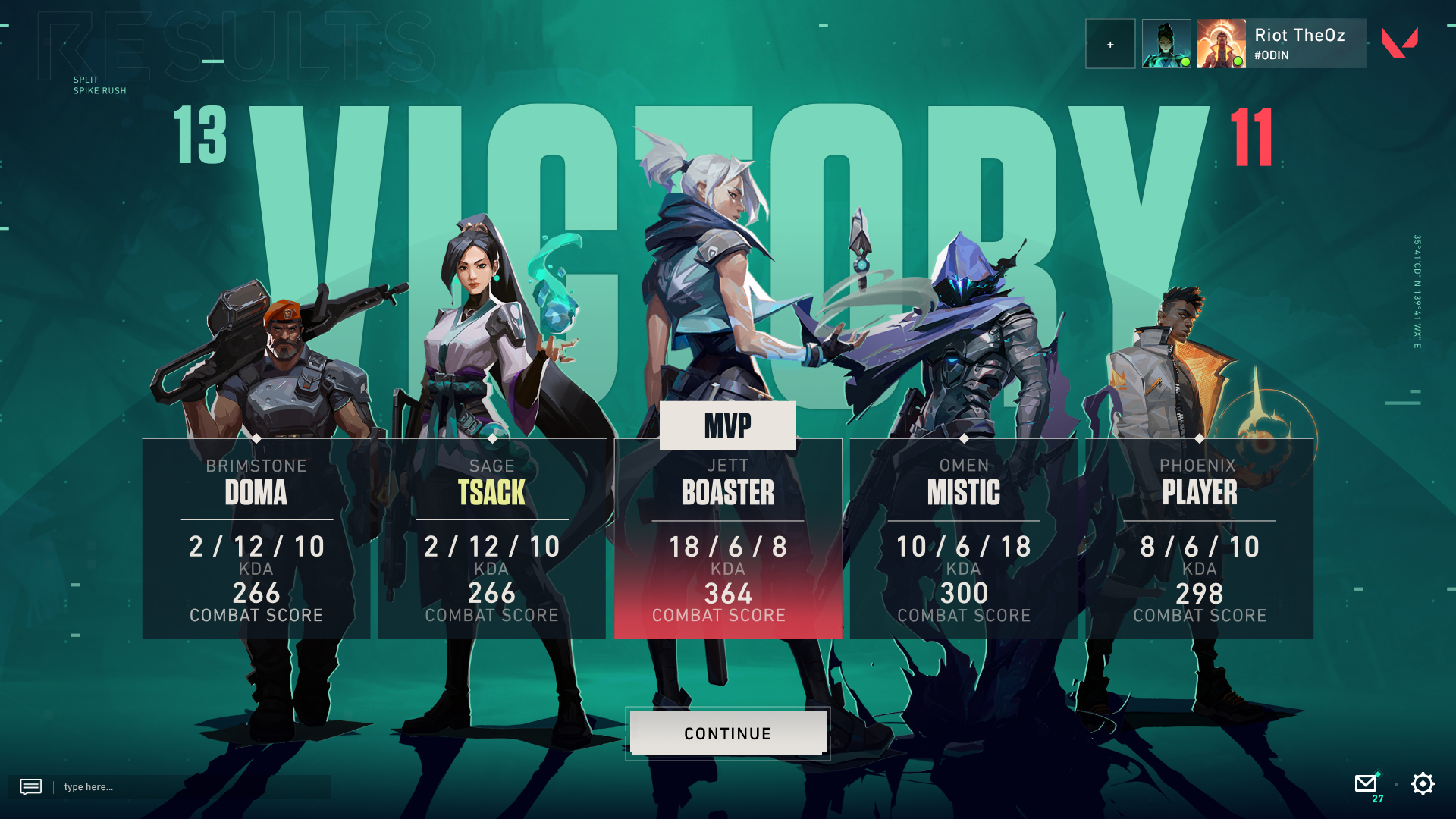
✲ Valorant/ UI/UX Director ( 2022 )
✲ Old World/ UI Design + Animation ( 2021 )
✲ The Elder Scrolls: Legends/ Lead UI/UX Design ( 2019 )
✲ Dropzone/ Lead UI/UX Designer ( 2018 )
…and many more behind NDA, lost to the corners of time.
Good UI starts with understanding the problem before trying to solve it. The time you take up front to analyze a problem, catalog its pieces, and research the space around. It is almost always repaid downstream, in decisions that hold up, in conversations that go faster, and in work that ships closer to the first instinct than the fifth.
I treat design direction as three jobs held at once. The first is the craft — what good looks like, and how you hold the quality bar at the review gate when the surface area keeps growing. The second is the team — who you hire, how you level them, how you build the rituals that make the craft repeatable across people and projects. The third is the work across disciplines — how UI fits with engineering, production, art, and creative direction so that problems get framed together rather than handed back and forth, and so that the answers a team commits to are answers the whole studio can stand behind.
The job is holding all three at once, most weeks, for years. None of them stand alone. Craft without a team is a single beautiful screen. A team without cross-discipline partnership is a group of sharp designers shipping into a vacuum. Partnership without craft is alignment on the wrong answer. The work is keeping the pieces moving together, reading the room, reading the project, and making sure the right conversations happen between the right people before the work gets committed.
A lot of UI/UX direction, in practice, is being the person who keeps the tempo; listening across disciplines, catching the decisions that need surfacing, and trusting the team to play their parts when the framing is clear. The goal isn't to be the loudest voice at the table. It's to make sure the table is the right one, the brief is the right one, and the people around it are set up to do their best thinking.