

2014 — 2018 | Case Study / Sparkypants Studios
DROPZONE
Sparkypants Studios + Gameforge
STUDIOS
Lead UI/UX Design + Dev
ROLE
Coherent Labs + Sparkle Engine
TECH
01 | THE WORK
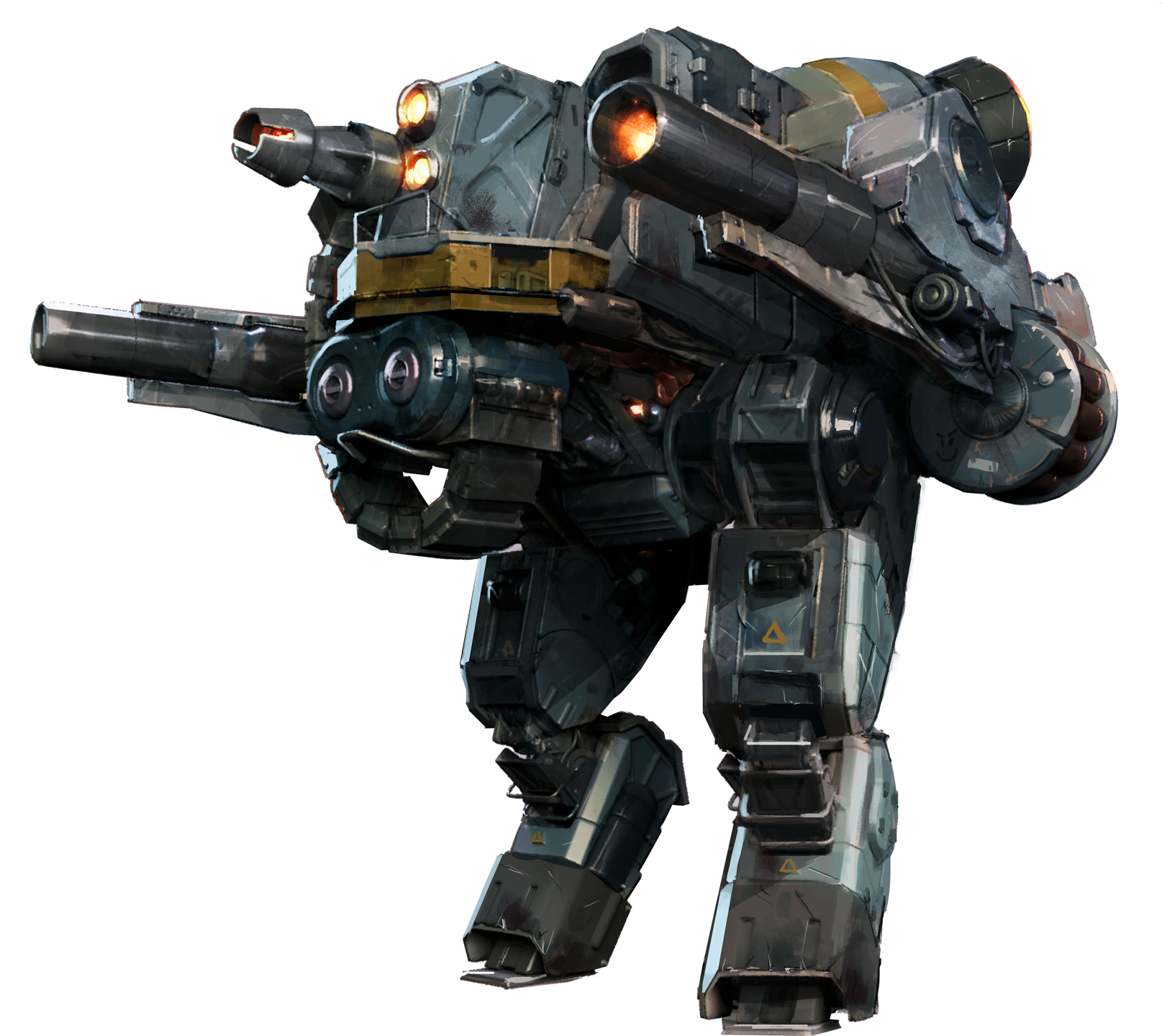
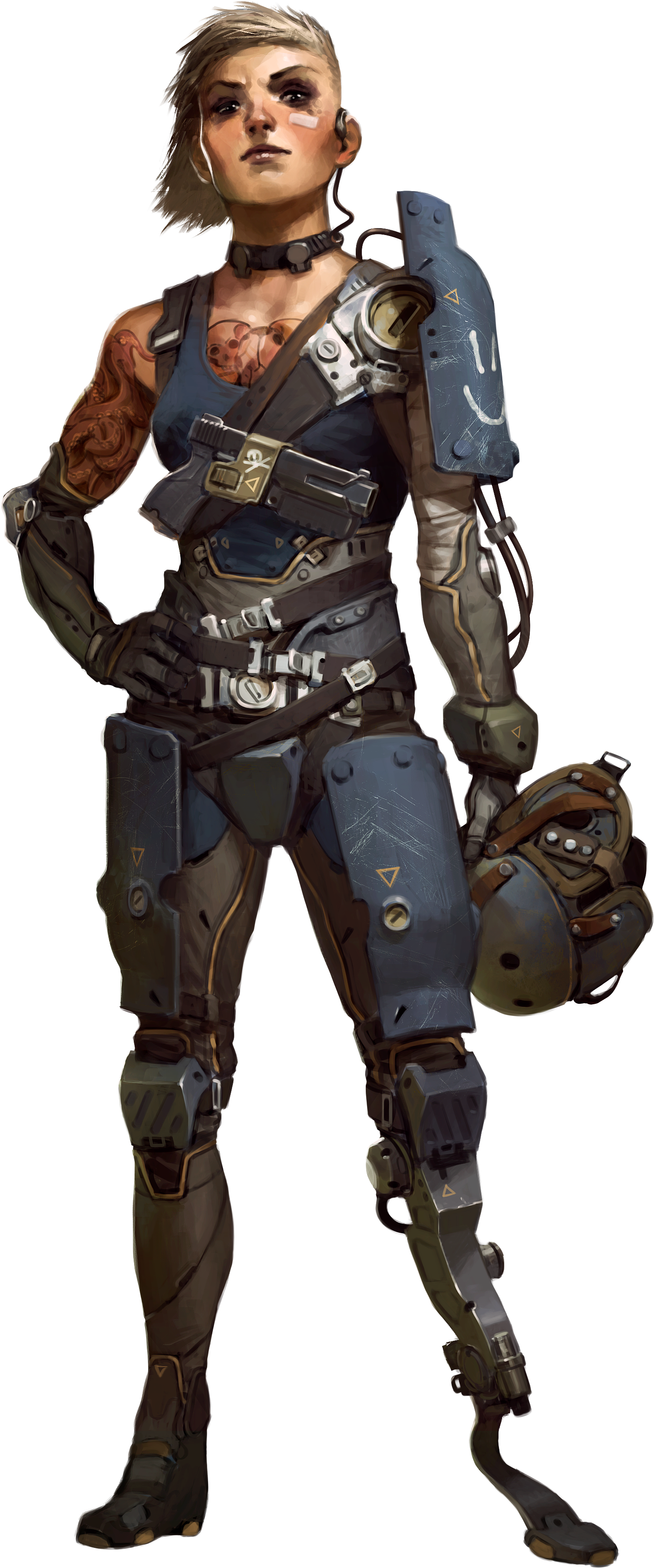
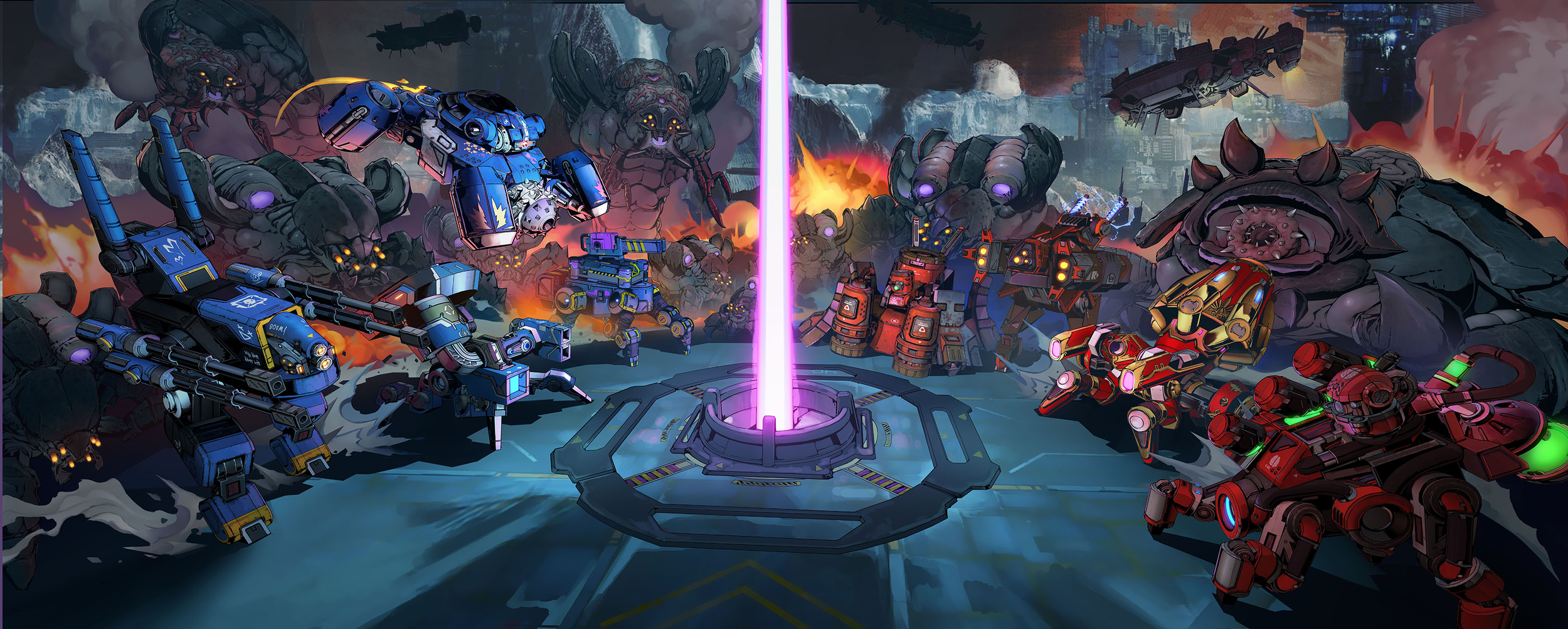
From 2014 through 2018, I was Lead UI Designer and Developer at Sparkypants Studios on Dropzone, a free-to-play competitive RTS-MOBA hybrid built on the studio's proprietary Sparkle Engine.
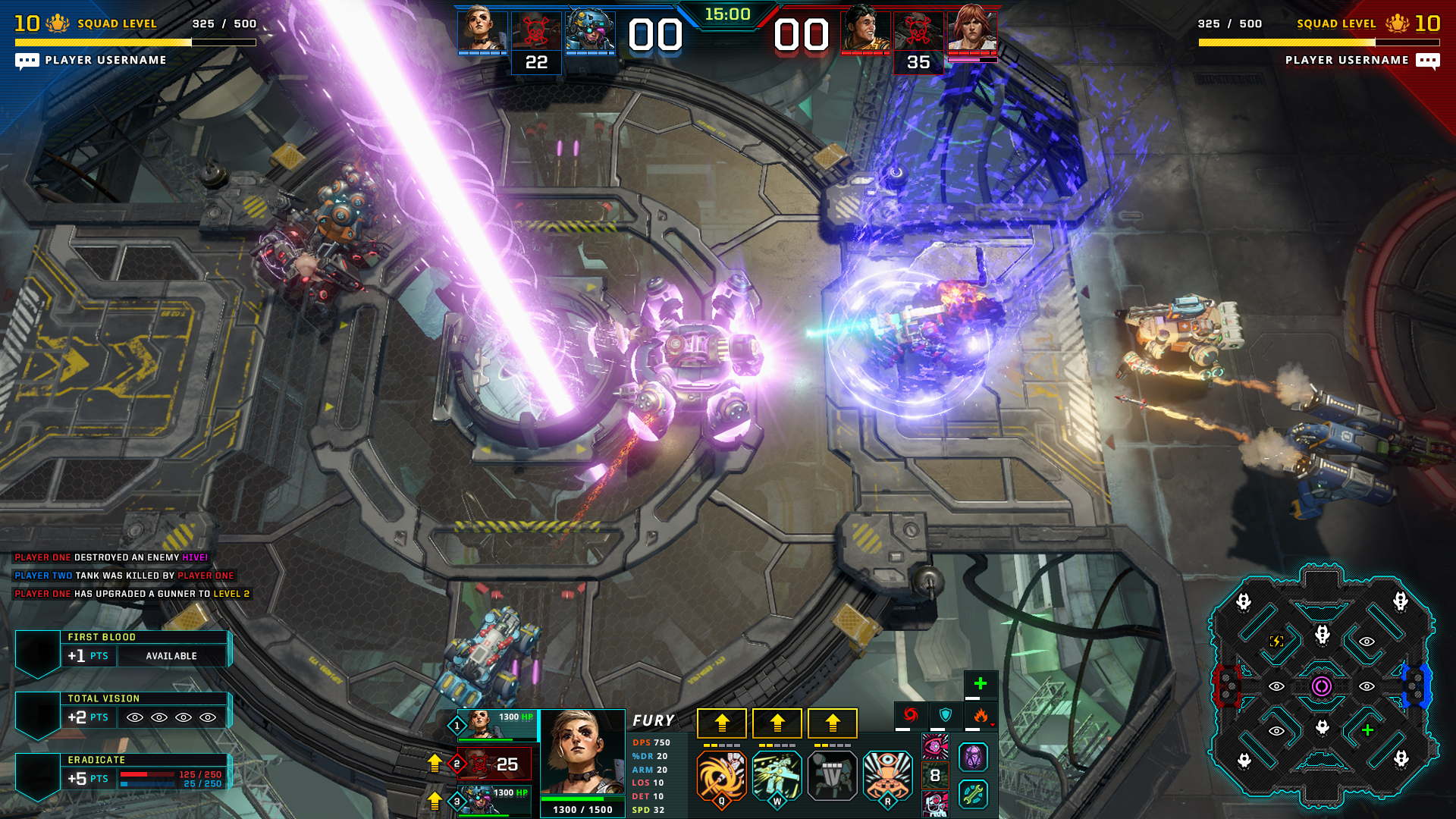
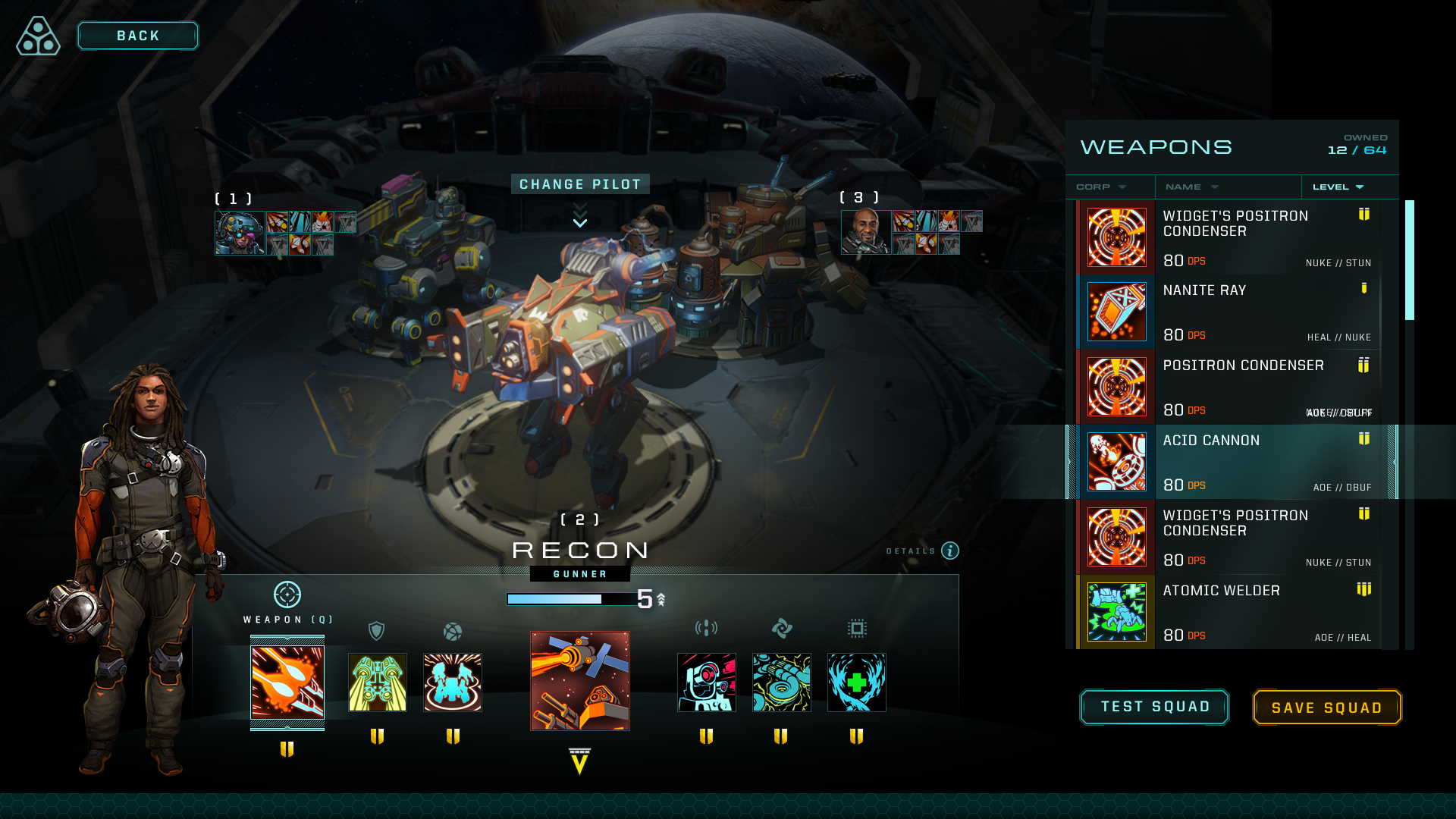
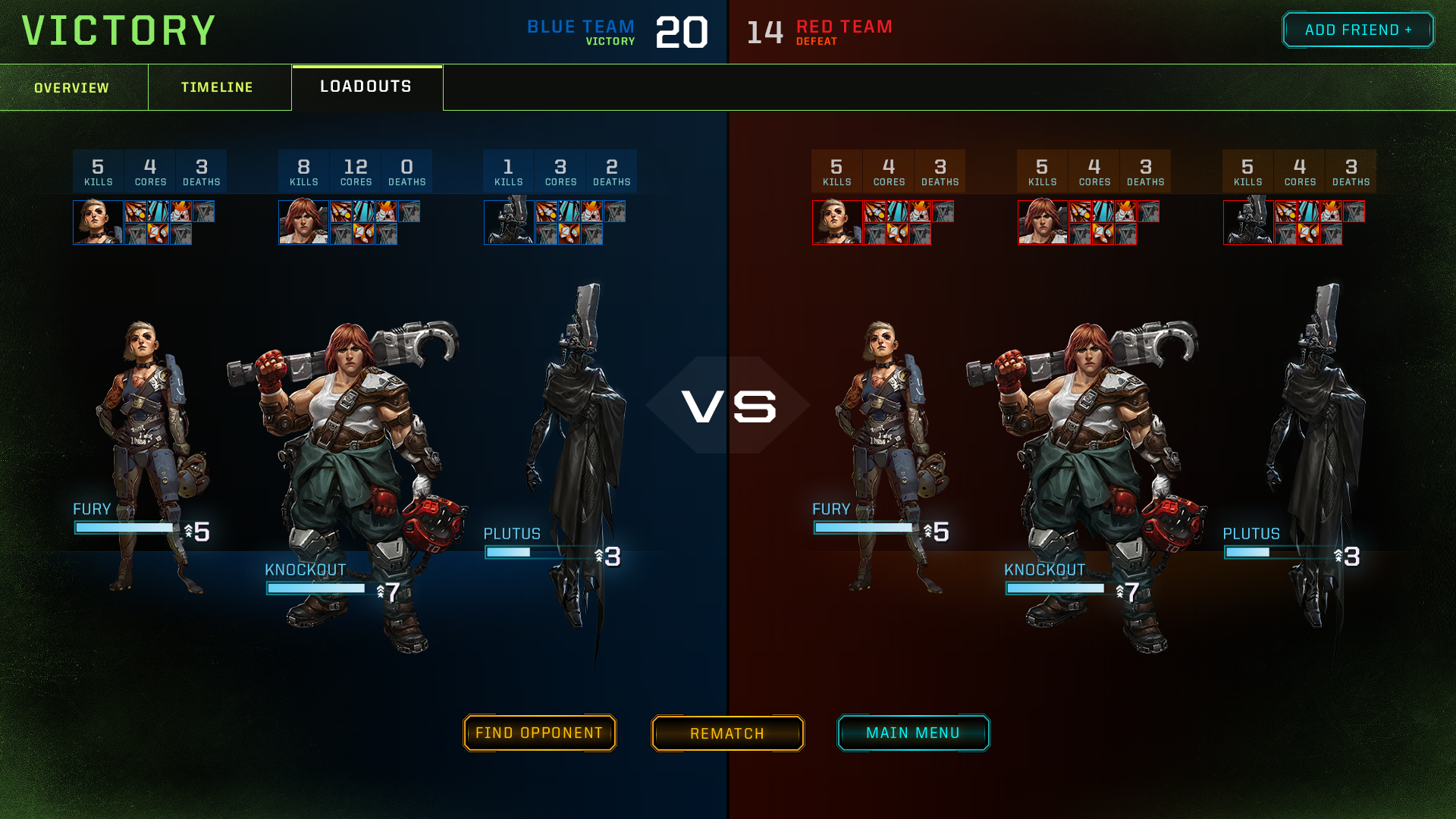
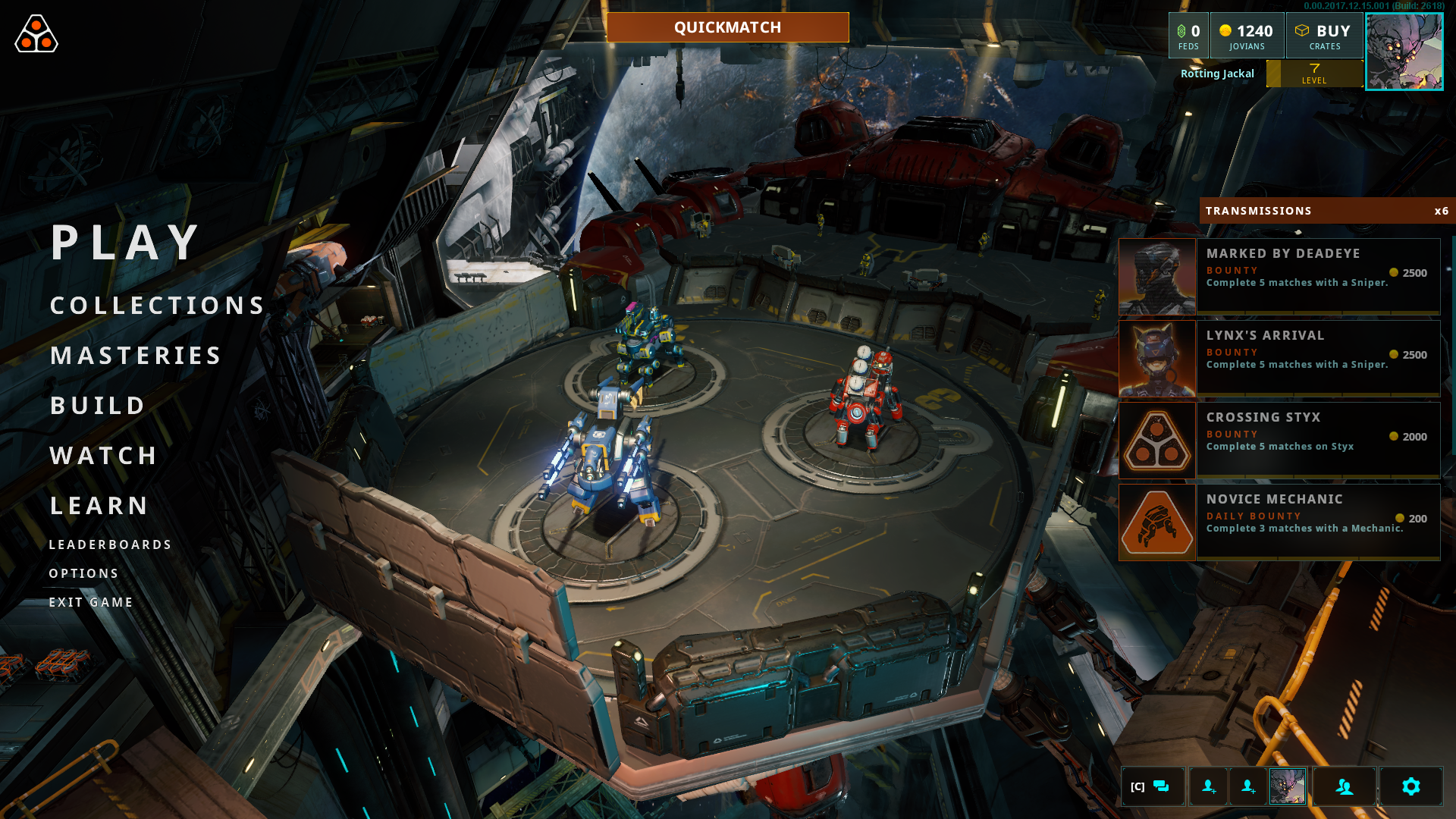
My role covered the full UI pipeline end to end: usability research and user flows, wireframes, high-fidelity mockups, branding, motion design, and front-end implementation in Coherent Labs middleware.
The game entered Steam Early Access in February 2017 and ran as a live-service title until the studio moved on to the development of The Elder Scrolls Legends.
Full-pipeline UI from concept to ship.
The Challenge
Dropzone was a new genre in a market that had already picked its winners. The UI had to teach players a completely new way to play a competitive game, in 15 minutes, against opponents who already had thousands of hours in League and Dota.
"Dropzone is a competitive RTS for the modern era."
— PC Gamer
02 | THE PIPELINE & RITUALS
The design pipeline ran from usability workshops and daily playtest rituals, wireframed concepts, rapid prototypes, and high-polish mockups.
The implementation pipeline ran from those mockups into front-end code in Coherent Labs, HTML and CSS-based middleware used across a number of AAA titles at the time.
Working both sides of that pipeline changed how I think about design direction permanently. When you have written the code yourself, you stop making requests of engineers that don't account for how the implementation actually works.
That fluency is something I have tried to carry forward into every engagement since, even when I am not the one writing the code.
Design it, build it, ship it.
"The gameplay feels incredibly solid."
— IGN
03 | THE TEAM
Leading across disciplines, not just within design.
Over the four-year development cycle, I collaborated with a large cross-discipline group of UI designers, illustrators, animators, and engineers.
The management challenge on a live-service title is not the sprint. It is the sustained cadence: holding quality across continuous release cycles, keeping a team aligned on a visual and interaction language that evolves without fragmenting, and making sure the people doing the work have clear scope and the space to do it well.
Dropzone was where I learned that team infrastructure is design work too. The rituals, the review cadences, the feedback loops: all of it is part of what ships.
"Objectives felt clear, with all aspects from points to control locations clearly marked, making it an easy to understand, hard to master game."
— Brendan Frye // Editor-in-Chief of CGMagazine
04 | THE OUTCOME
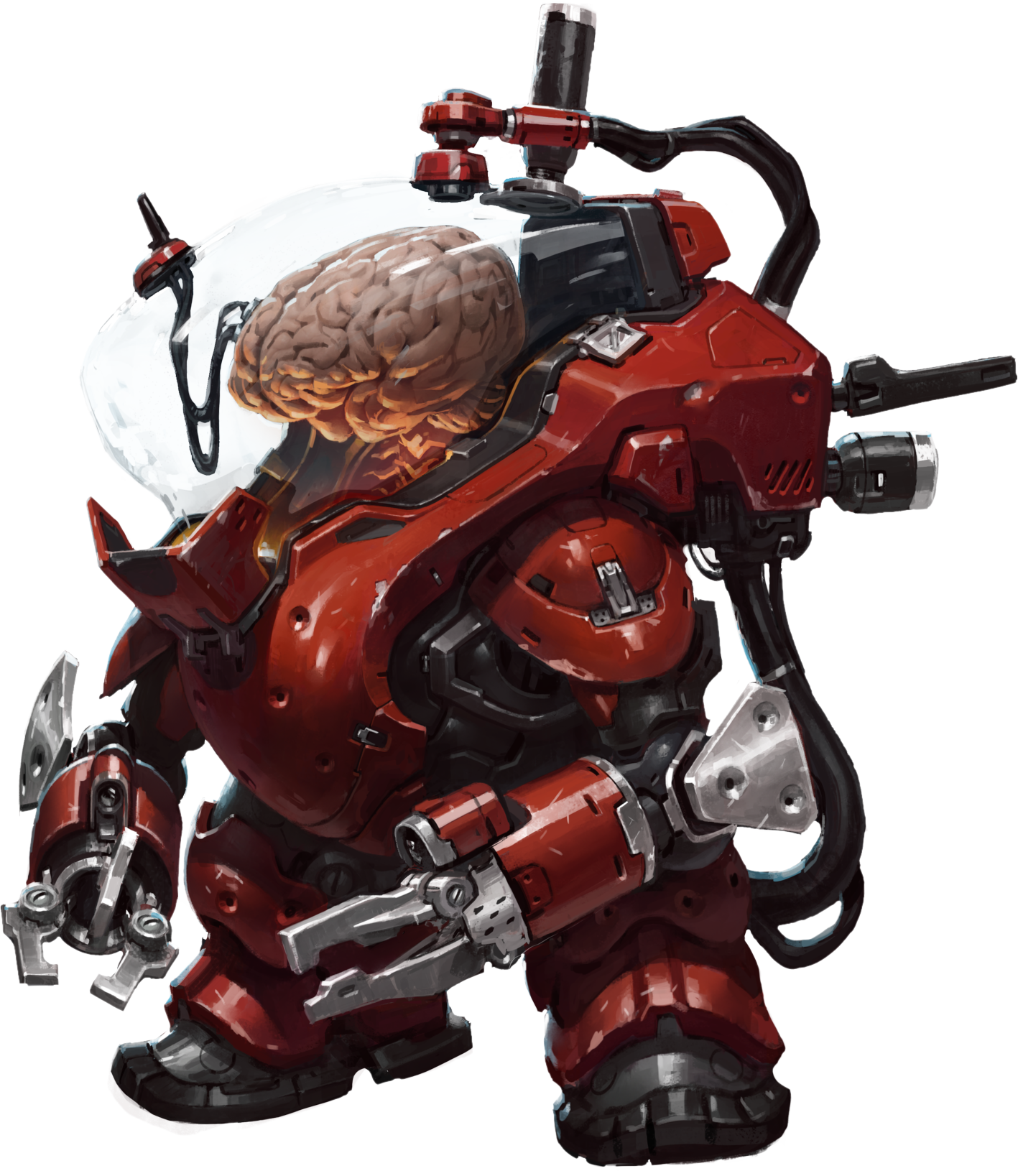
Dropzone was my first full-scale live-service title and my longest single engagement as a working designer.
What I took from it was not any single screen or system. It was a set of instincts that have shaped every engagement since: the technical fluency to understand what I am asking engineers to build, the team discipline to hold quality across a continuous release cadence, and the conviction that the gap between design and implementation is where a lot of good work gets lost.
Every case study in this portfolio has something in it that traces back to something I learned on Dropzone.