

2021 — Present | UX is Fine
UX is Fine
UX is Fine
STUDIO
Creative + UI/UX Director
ROLE
01 | The Work
Leading embedded UI/UX direction across AAA.
UX is Fine is a game UI/UX agency that embeds with the world's largest studios. I joined in 2021 as UI Art Director, moved to UI/UX Director in 2023, and have led the agency as Creative Director since then, owning creative direction across concurrent AAA engagements, building and managing embedded teams, and running the operational infrastructure that lets the studio scale.
Full agency at uxisfine.com
The Challenge
Maintaining the quality bar and the creative vision across a dozen simultaneous AAA engagements, each with its own studio culture, pipeline, and definition of done.
02 | Role & Progression
From Art Director to Creative Director, inside the same studio.
-
Agency-wide creative leadership. Own SOW and project budgets for client engagements. Lead embedded teams of designers, artists, animators, and implementation engineers. Partner with studio leadership to balance design ambition against timeline and cost constraints. Build the operational frameworks: kickoff templates, design rituals, review cadences, resource plans.
-
Expanded scope to direct across multiple concurrent engagements simultaneously. Owned creative direction, team composition, and client relationships across the agency's AAA portfolio.
-
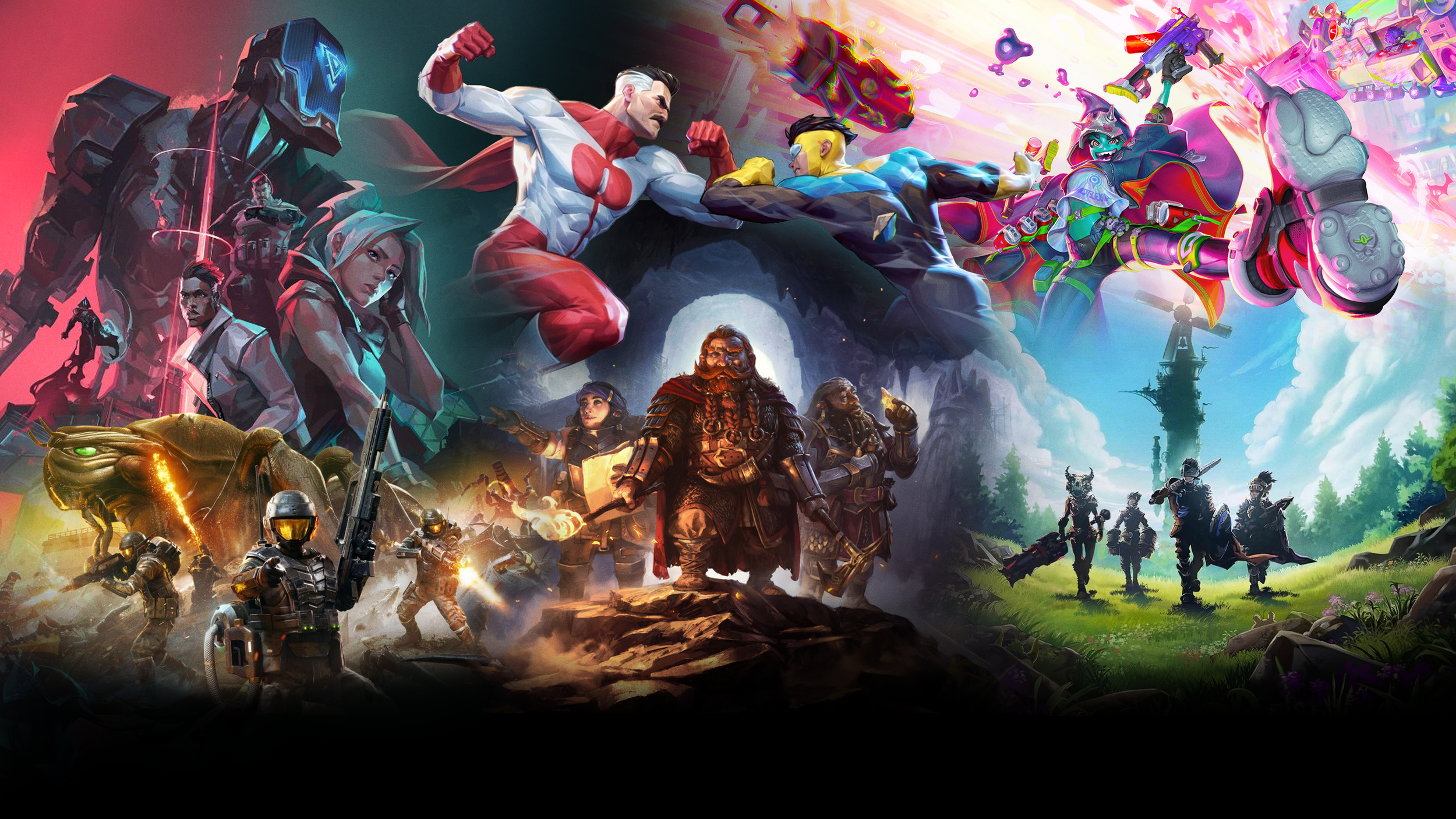
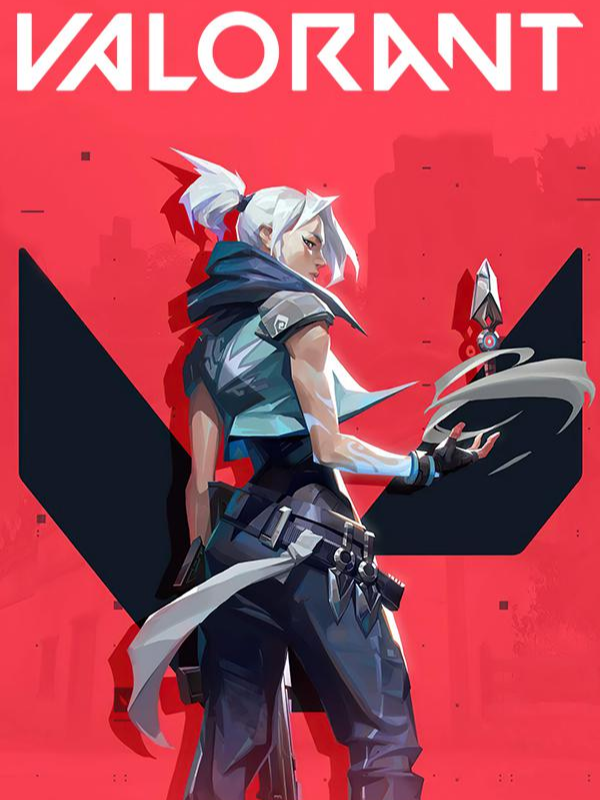
Embedded directly on client engagements. Led the visual and interaction direction on VALORANT alongside Riot's UI and UX groups. Established the craft standards and review rituals that became the template for subsequent engagements.
03 | Partner Studios & Games
The studios and titles we've worked on.
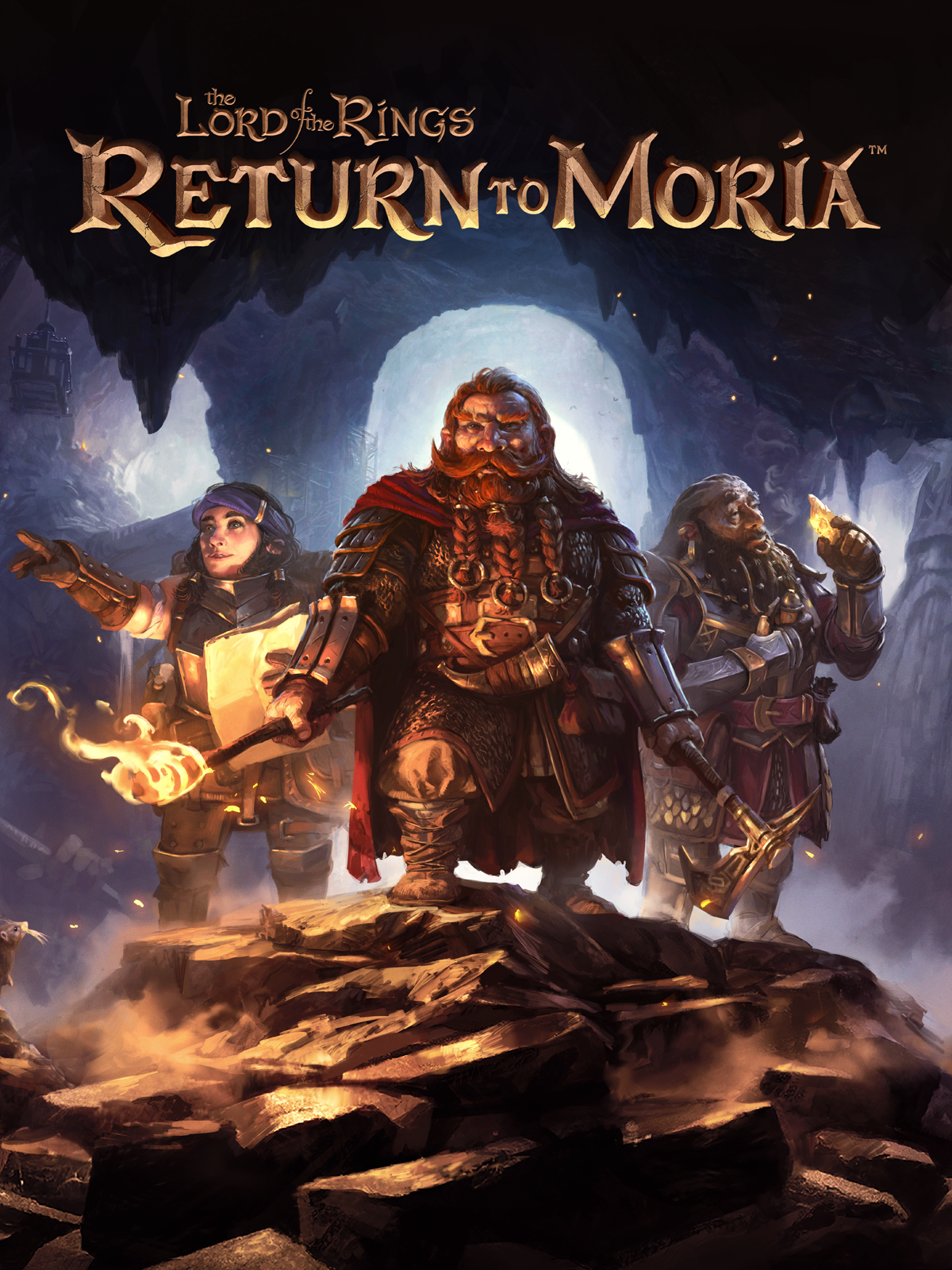
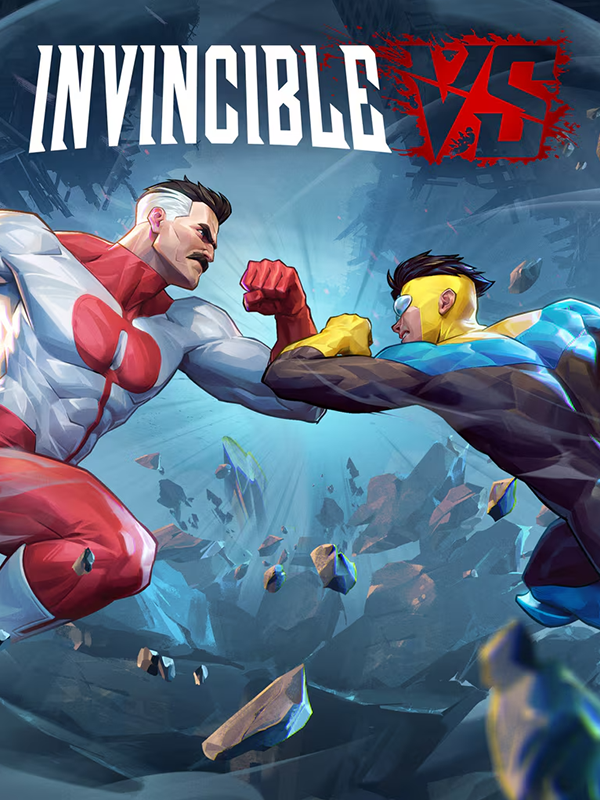
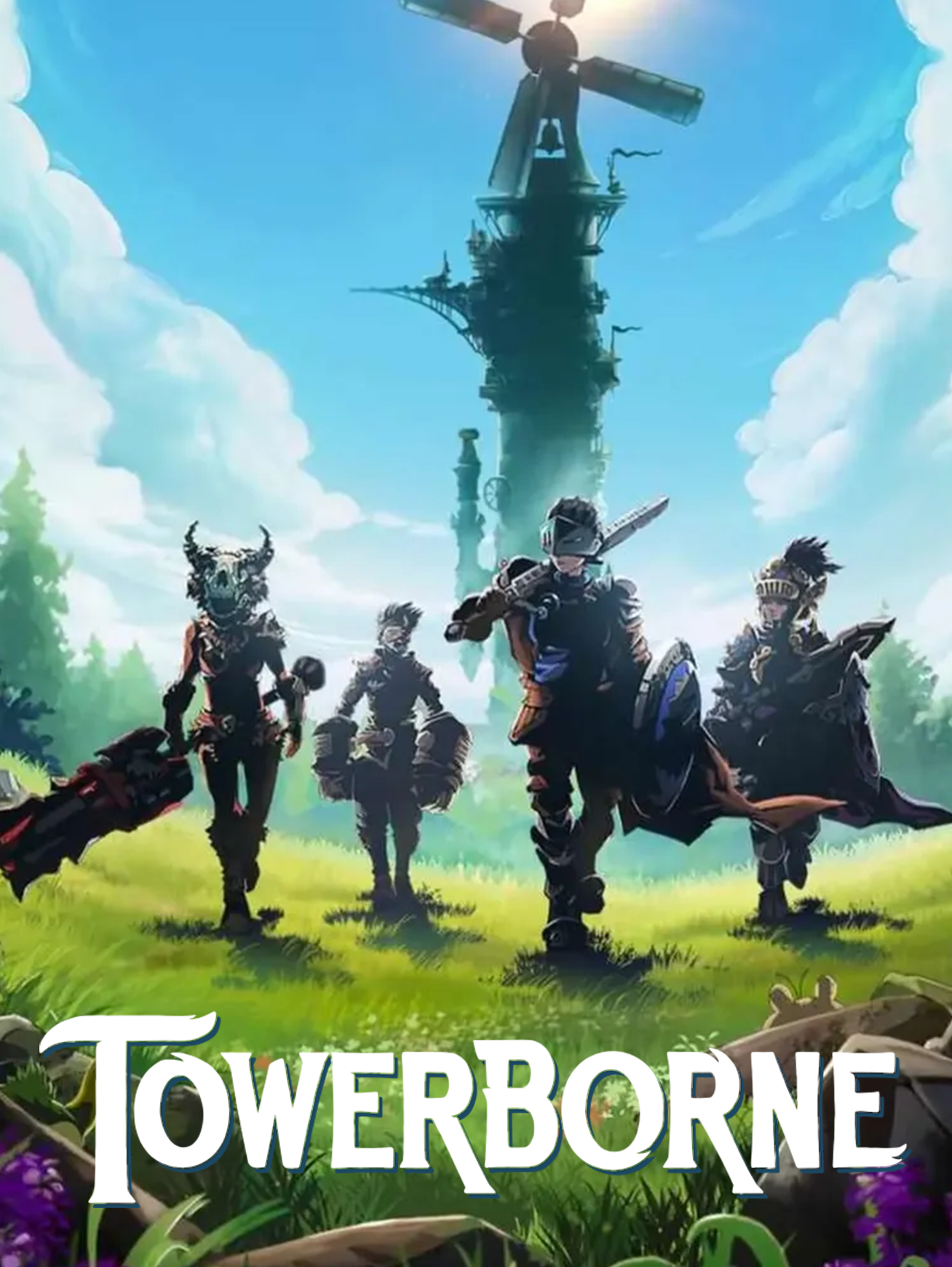
PUBLIC | A selection of publicly documented partnerships
A partial list. Many present and previous engagements are under NDA. What's listed below is work that's either publicly credited by the agency or named in public-facing project materials.


04 | Internal Projects, Rituals & Tools
The work inside the work
Running a studio at scale requires building as much as designing. Alongside client work, I have helped build internal tools and operational frameworks that keep the studio healthy, the team protected, and the delivery consistent. A custom staffing system, an in-engine UI component tool, a four-day work week that actually works.
There are other things we have built that have become real advantages for the studio and its clients, but those stay internal. Some tools are worth more as trade secrets than as portfolio entries.
-
When concurrent AAA engagements outgrew the studio's coordination tools, I joined the Engineering Director and UX Director to scope and begin building a custom internal staffing and scheduling system. The original problem was a Miro board that had become a ceiling: a drawing tool being used to solve a data problem, with weekly planning calls that couldn't show workload patterns or capacity limits. We conceived the solution over winter break 2024 and began building. An AI-augmented development workflow, led by Engineering Director Mike McMahon, unlocked the velocity needed to take it from slow side project to fully integrated studio tool. Today the system provides at-a-glance weekly scheduling, visual capacity indicators, smart archive views, and Slack integrations with empathy-driven logic that respects team boundaries, including notification timing that detects non-working hours automatically. It replaced the bloated planning cadence with a tool that actively protects the team's time.
The full story of how it was built is at uxisfine.com -
UX is Fine adopted a four-day work week in 2022. The decision came from studio leadership, grounded in the belief that rested people produce sharper work. As Creative Director, my role was in the execution: building the rituals and operational discipline that let the model actually survive contact with concurrent AAA client delivery.
In practice that meant a focused Monday-through-Thursday cadence with clear weekly targets, a Thursday team wrap ritual where project teams share updates, wins, and shout-outs before stepping away from the week, and escalation paths for urgent client situations that protect Friday without abandoning client trust. The discipline also required resetting client expectations early in each engagement so that the rhythm was understood and respected rather than worked around.
The staffing and scheduling tool I co-initiated with the Engineering and UX Directors became part of the operational backbone that makes the four-day model executable at scale. With capacity visibility built into the tooling rather than the calendar, the team could plan more intentionally and protect Thursday as a genuine close rather than a scramble. Three years in, the model is still running and the work has stayed strong.
Full context at uxisfine.com -
As a MICA-trained designer, I work directly with new team members through focused mentorship: structure, layout, type systems, and interaction thinking applied to artists who come from illustration, concept art, and animation backgrounds rather than traditional design pipelines. This model, developed alongside the studio's founder Dave Inscore (also MICA alumni), has become a defining part of how UX is Fine grows its team and delivers creative range to clients.
-
One of the persistent friction points in AAA UI development is the gap between what design tools produce and what the engine renders. Color profiles, resolution handling, and implementation rules between Figma and Adobe products versus Unreal or Unity environments introduce inconsistencies that slow down iteration and create misalignment between client expectations and shipped results. We designed and built an internal tool to close that gap directly: an interactive style guide that lives in the engine itself, mapping a project's entire component library to interactive, inspectable elements in the actual game environment.
The tool functions as a UI component browser and presentation layer built into Unreal and Unity client projects. Designers and clients can navigate the full component library in engine, inspect color accuracy against the target rendering environment, validate resolution behavior across platform targets, and explore interaction states in real time rather than in static Figma exports. For client presentations and design reviews, it replaced the Figma-to-screenshot-to-meeting pipeline with something closer to the shipped product from the first conversation. For internal teams, it created a shared source of truth that lived where the implementation actually happened, not in a separate design tool that had to be manually kept in sync.
The result was faster iteration, fewer implementation surprises, and client reviews that were grounded in what the game would actually look like rather than what a mockup approximated.
05 | The Full Picture at UXisFine.com
UXIF Studios
The agency's full case study library, service offerings, and client testimonials live at uxisfine.com. What is here is the shape of my role and the work I have been most directly responsible for building.